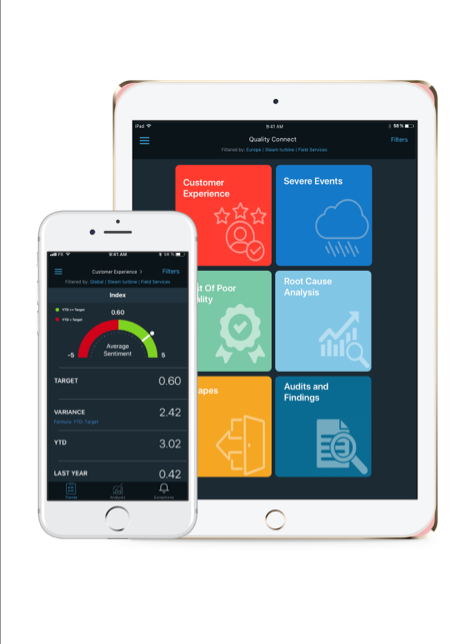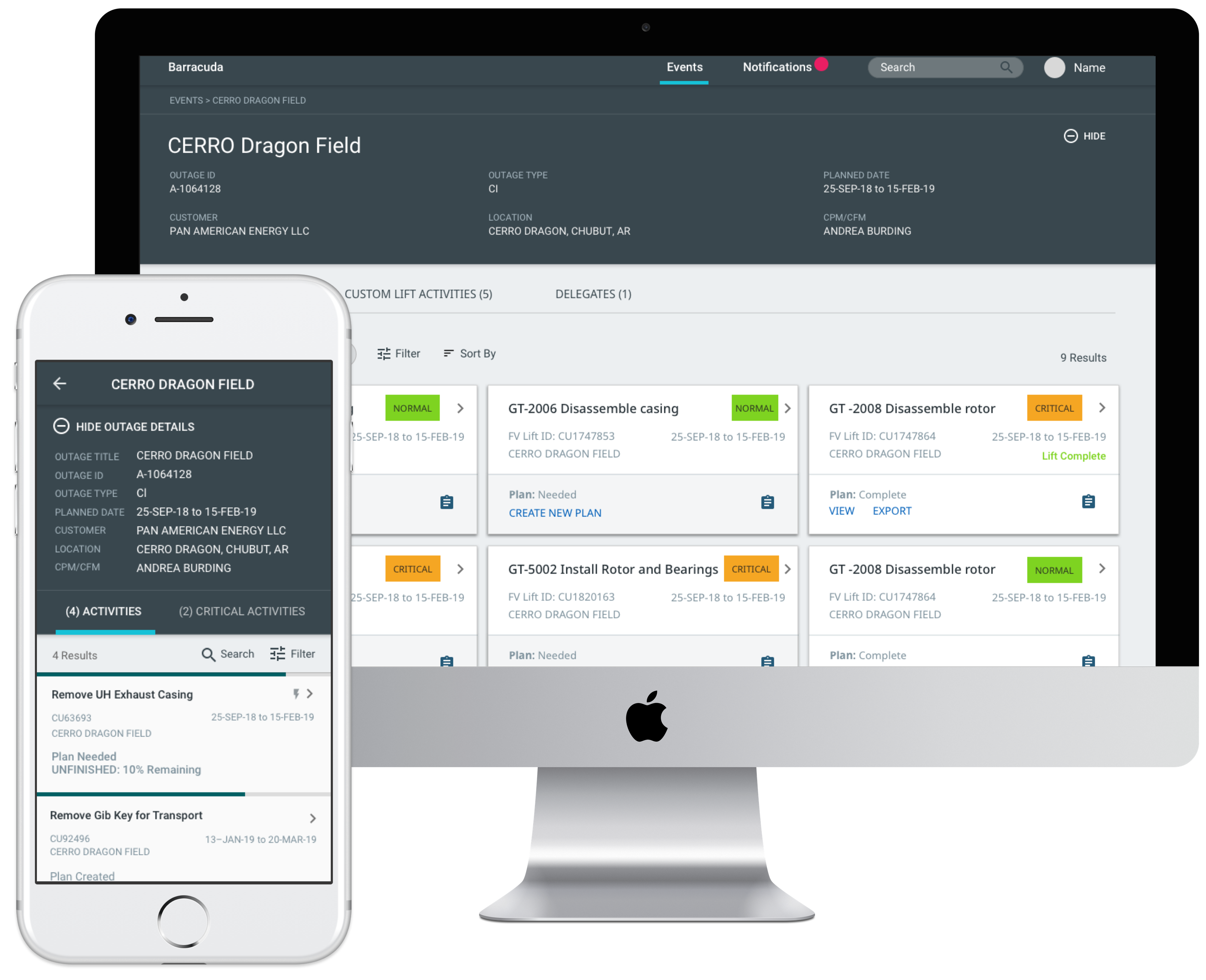
Company: General Electric | Industry: GE Power and Gas | Platform: Web Application
Overview
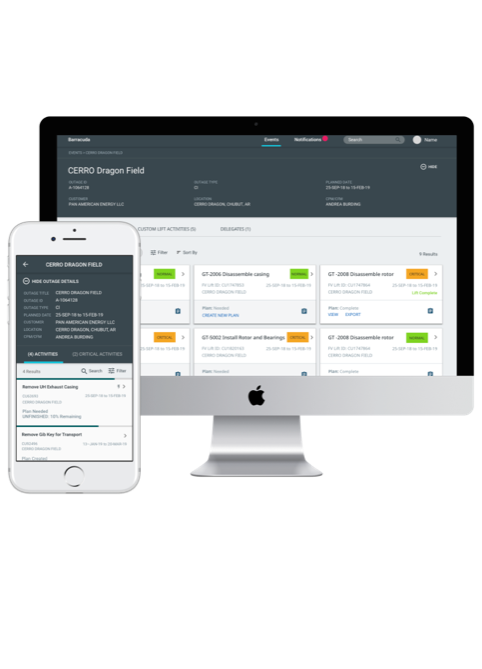
This app replaces the lift plan strategy traditionally created using an Excel sheet with a digital solution, making the Risk Assessment and Lift Planning Process more interactive. In the manufacturing sector, conducting Risk Assessments is crucial for identifying potential hazards and implementing controls to mitigate risks. Workers fill out a Risk Assessment Checklist, identifying hazards and recording actions to reduce risk. Additionally, Lift Planning is vital, as proper planning is required to complete work safely. Currently, Lift Planning is done manually on paper.
Role
Lead | UI/UX Designer
Contributions
Product Strategy | User Research | Interaction | Visual Design | Prototyping & Testing | Information Architecture
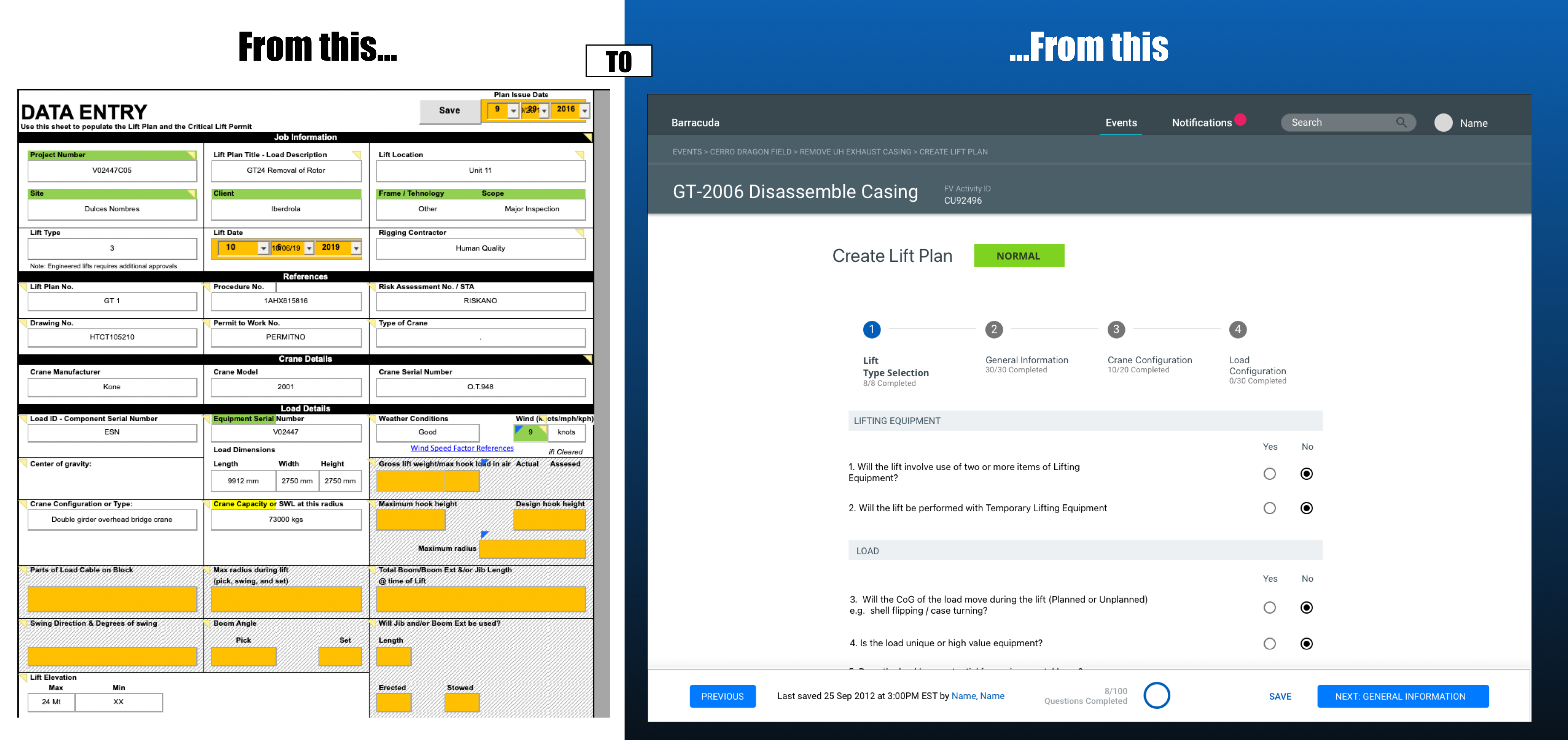
Current Experience
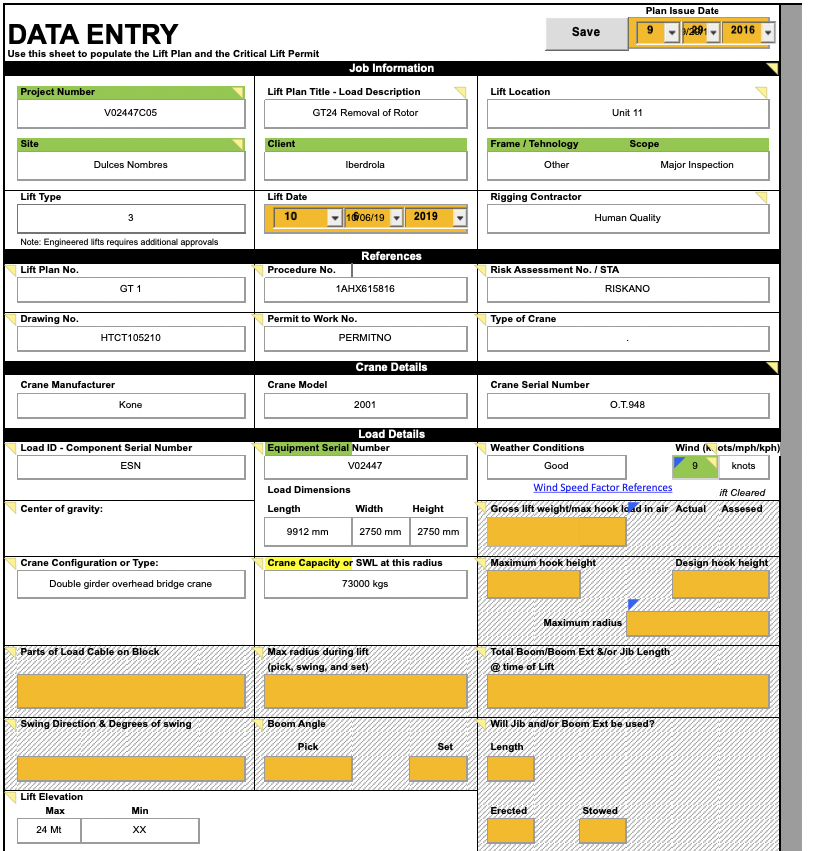
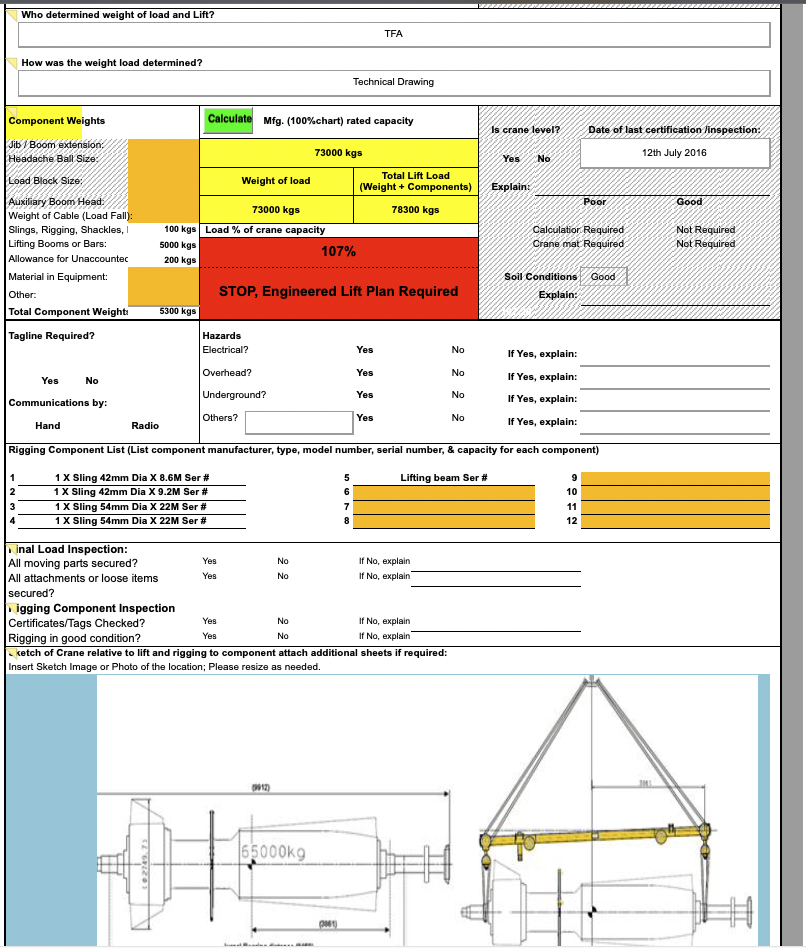
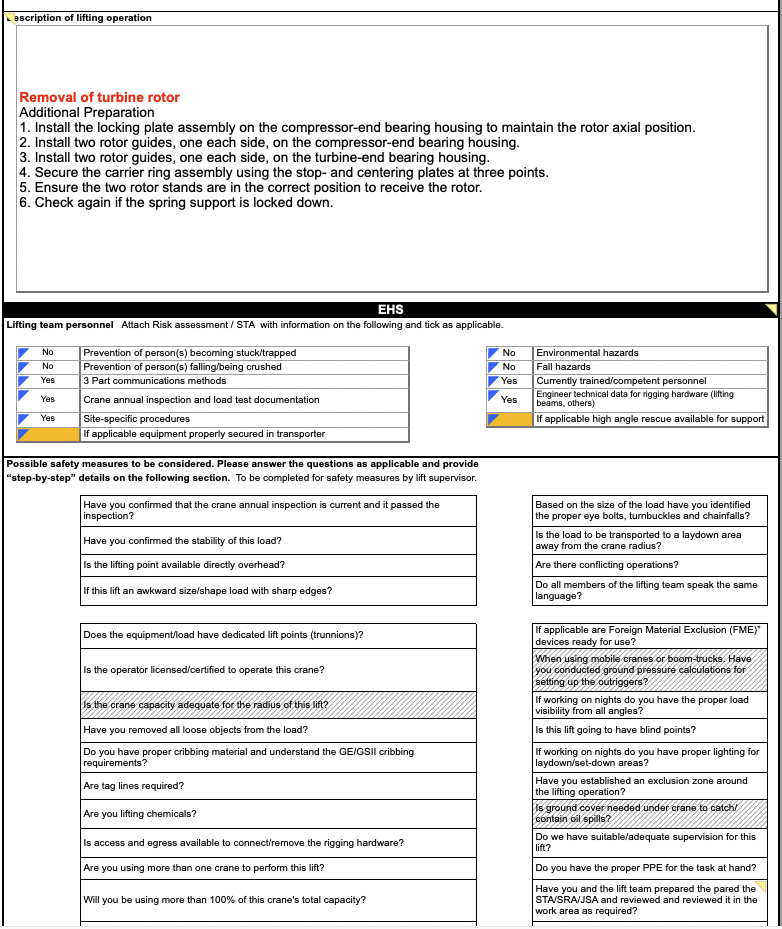
Web Version
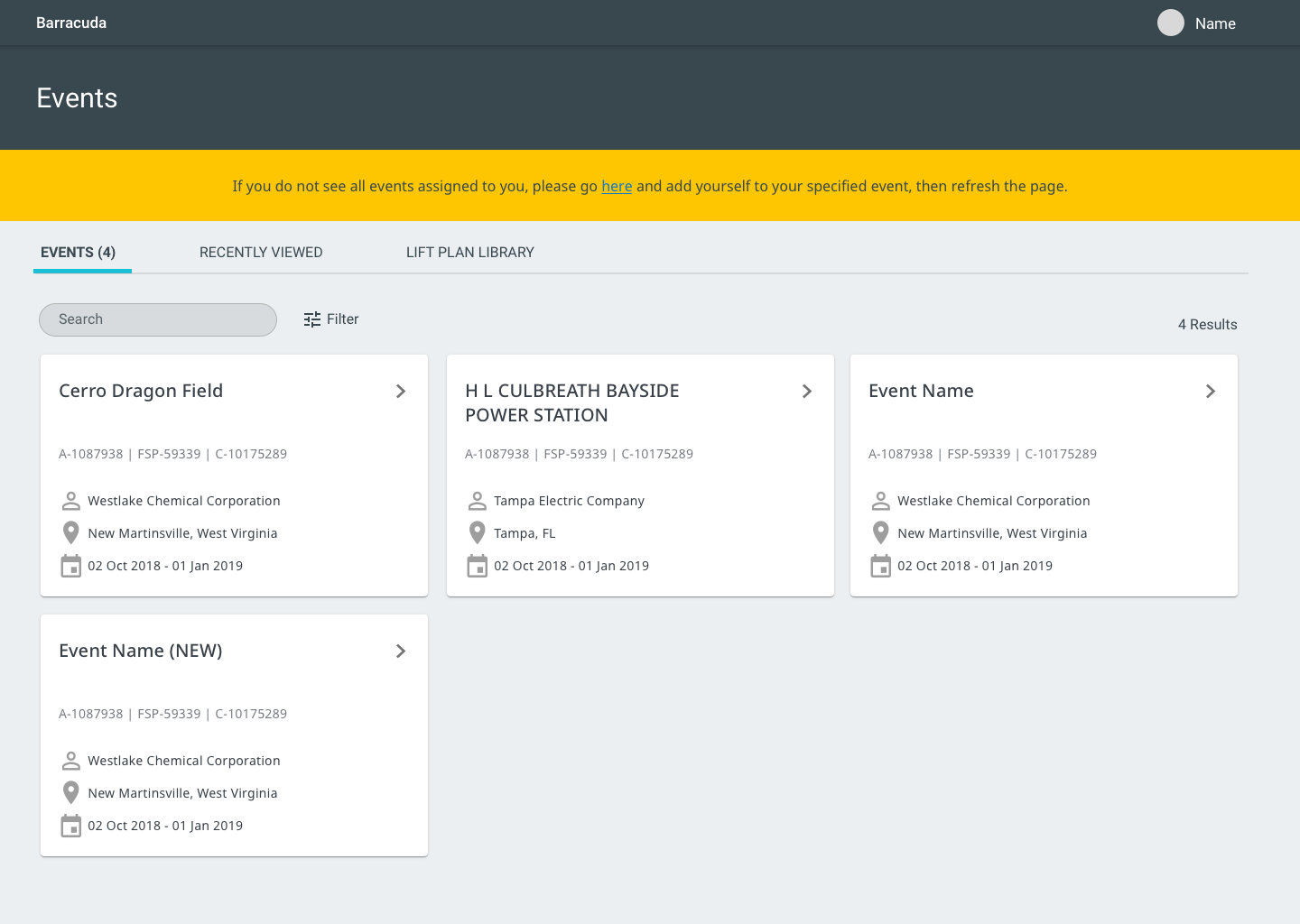
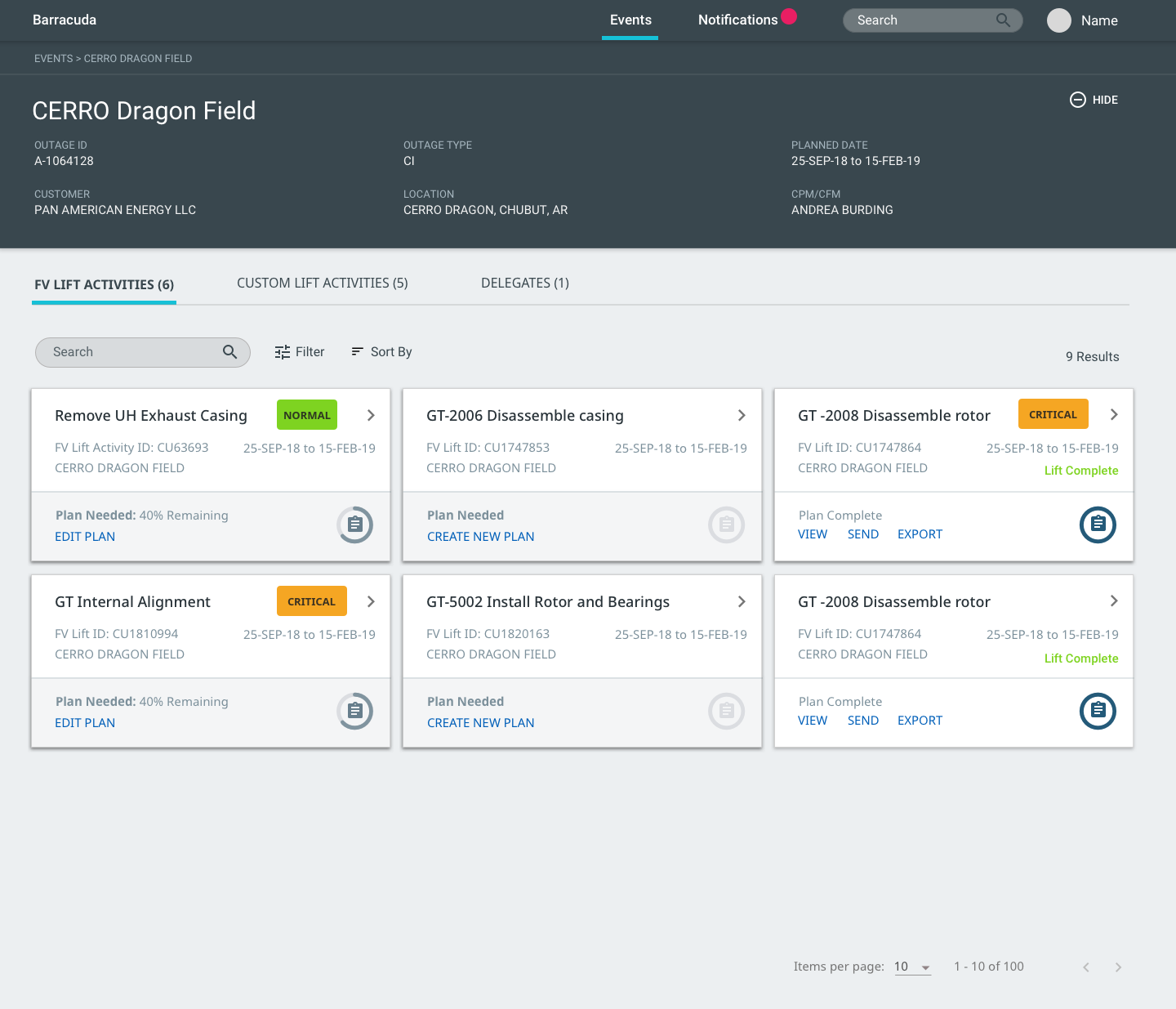
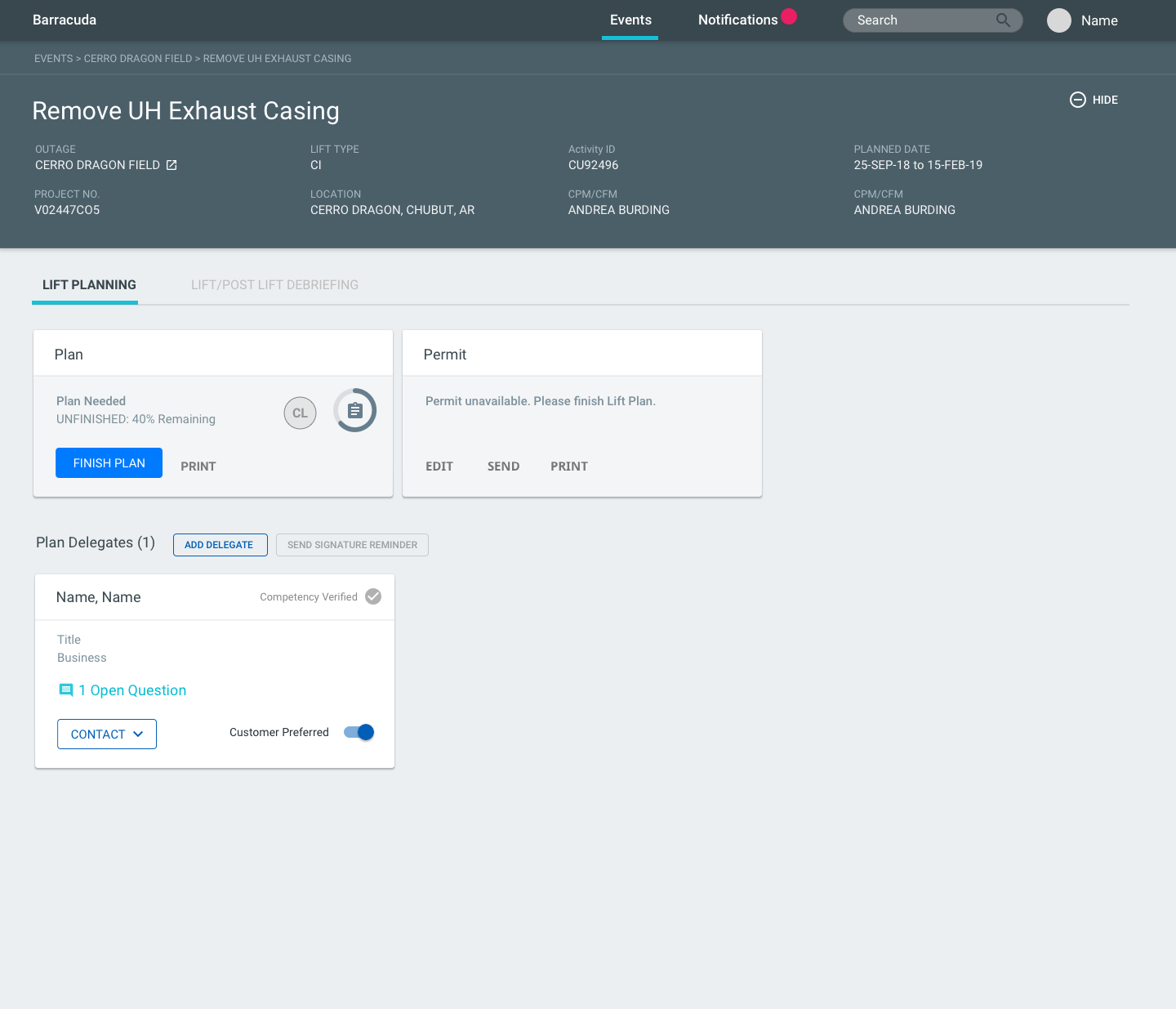
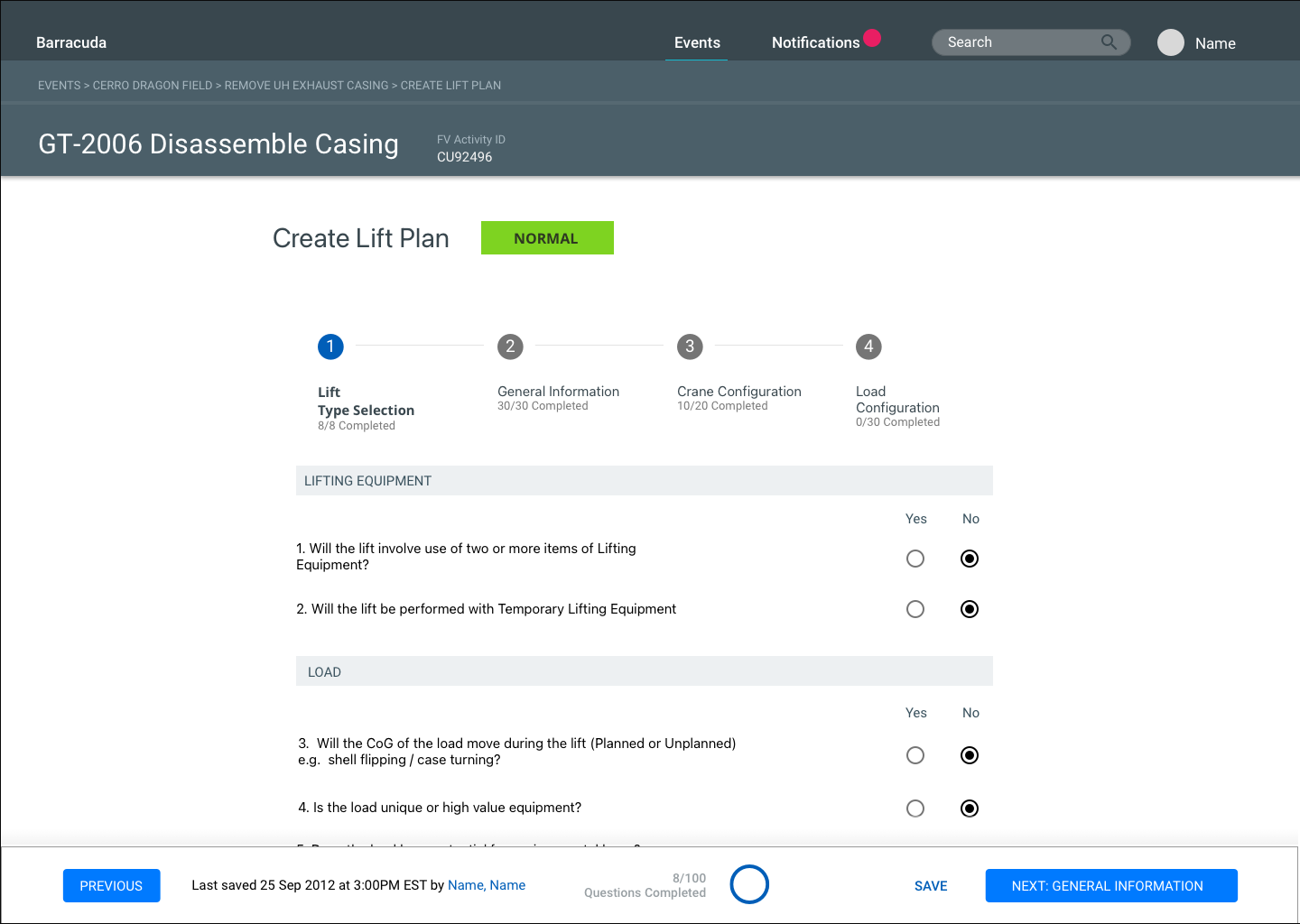
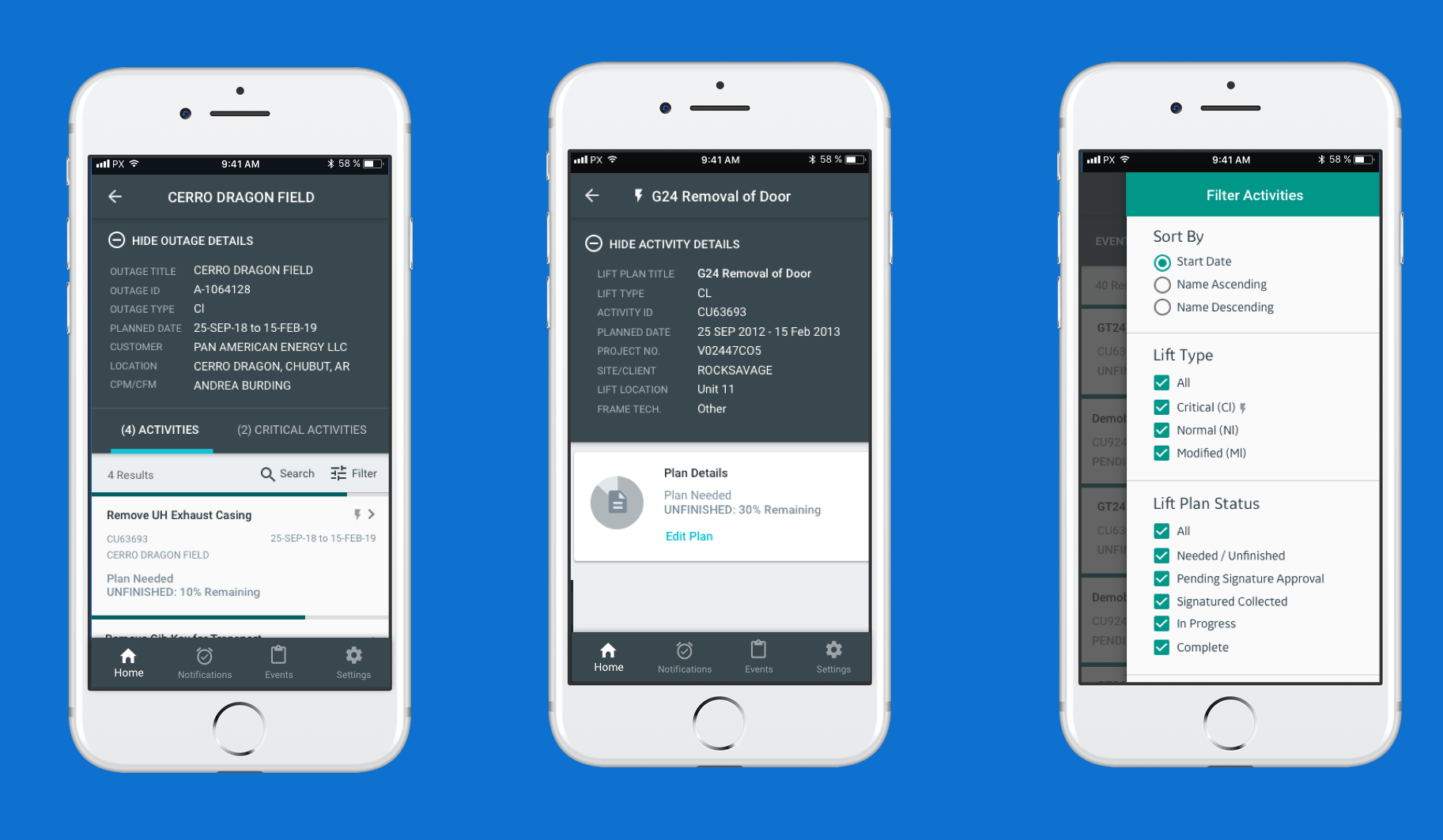
Mobile version
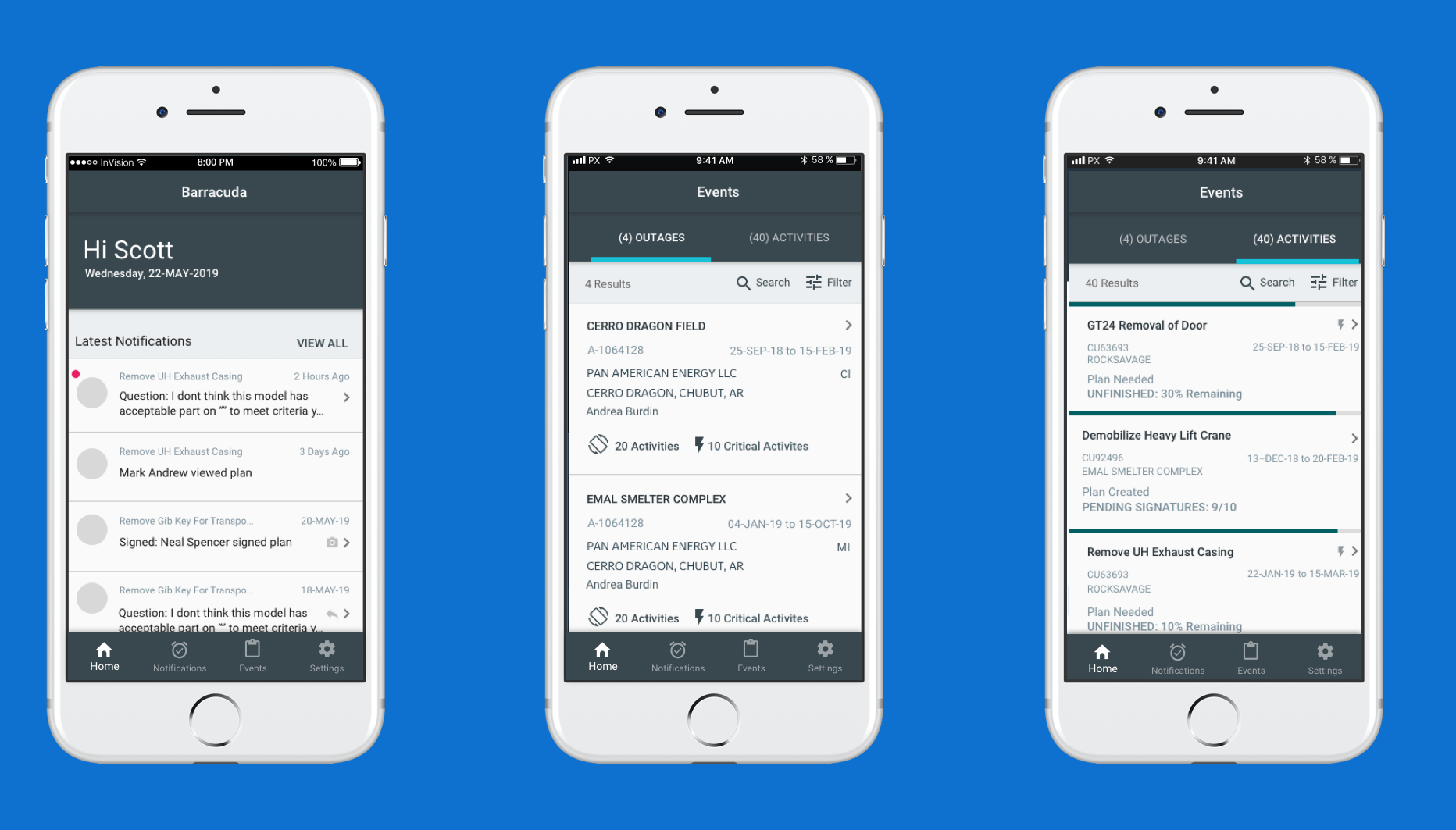

Goals
1. Develop an interactive digital solution for the Risk Assessment Process.
2. Establish a knowledge base using inputs from assessments conducted at the Individual/Activity Level.
3. Create a platform for optimal Lift Planning to reduce human error and ultimately compile a Library of Lift Plans.
Behind the Scenes | Creating the app from end-end
The History: How can we convert an Excel macro process into a web application?
 |
 |
 |
Insights and Resolutions
Current Pain Points
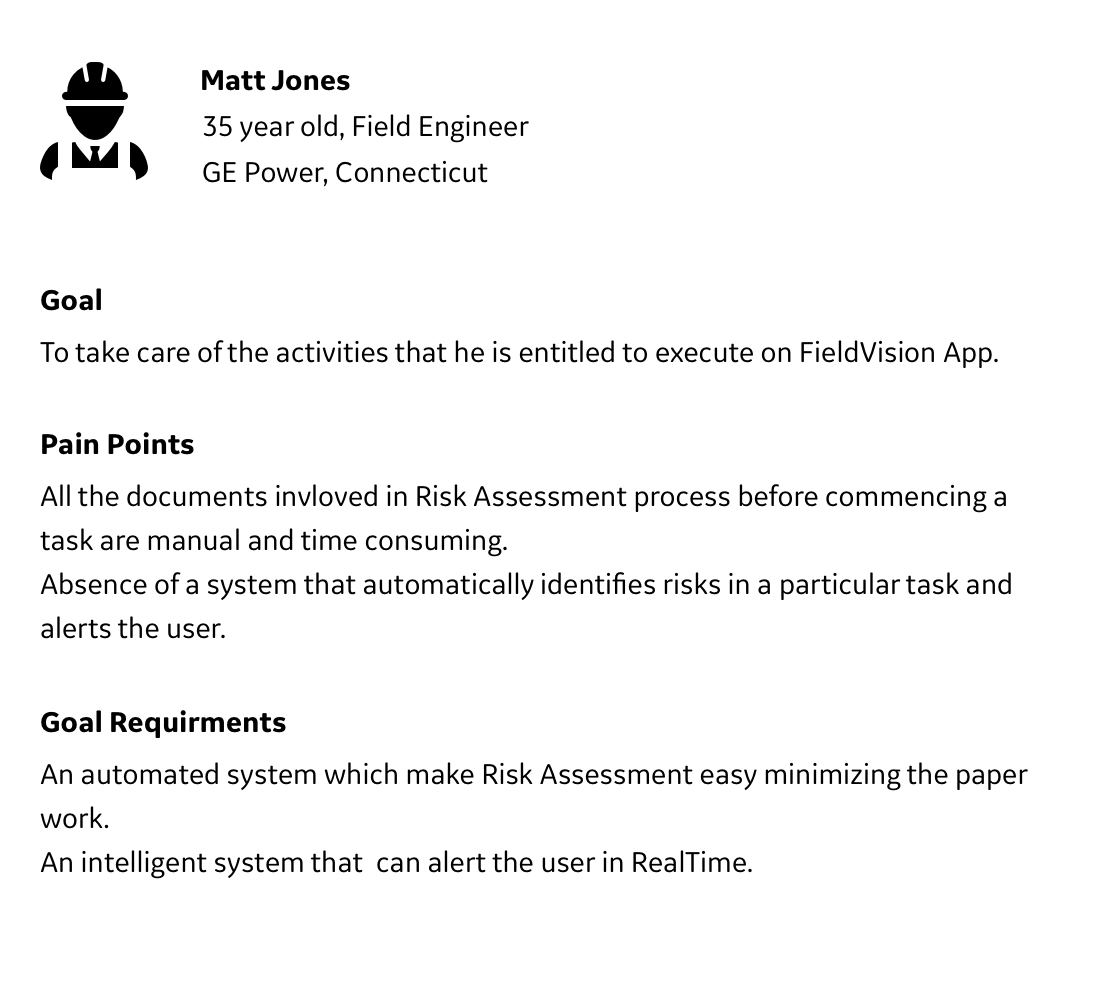
- Before starting a task, all documents related to the Risk Assessment process are handled manually, which is time-consuming.
- There is no system in place to automatically detect risks related to a specific task and notify the user.
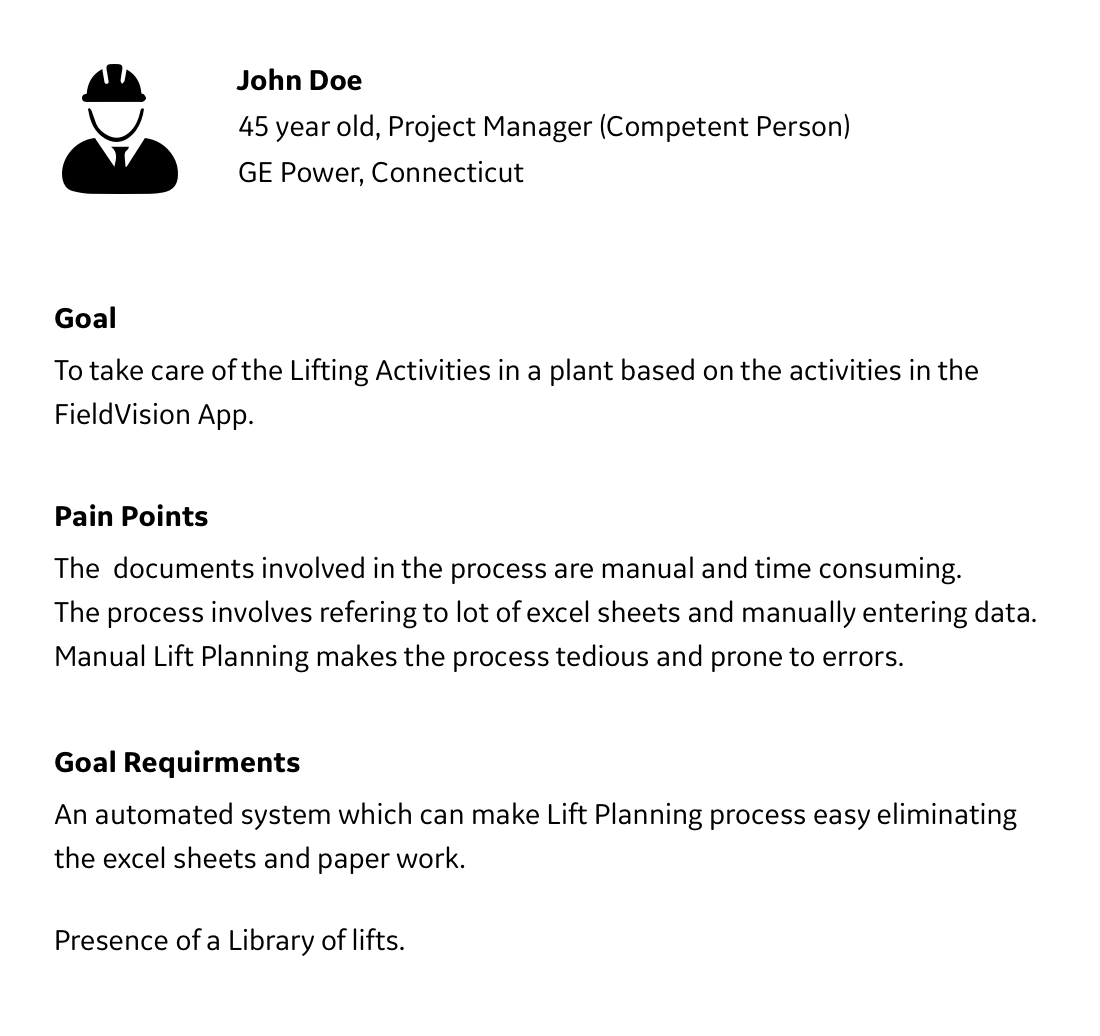
- The process entails consulting numerous Excel sheets and inputting data manually.
- Manual Lift Planning renders the process cumbersome and susceptible to errors.
Research
Interviews with stakeholders
Site visits / User observations
Facilitating workshops
Determining user goals and requirements
Developing user personas
Uncovering challenges in the current user experience
Gathering feedback on low-fidelity and high-fidelity prototypes
Embracing the 5-Day Design Sprint Method
We implemented the 5-day design sprint process, which involved collaboration among SMEs, Product Managers, Designers, and Developers. We empathized, defined, ideated, prototyped, and tested solutions with selected users.
This process also included evaluating previous design iterations and research to validate our findings.
Previous Version - Desktop
Beta version
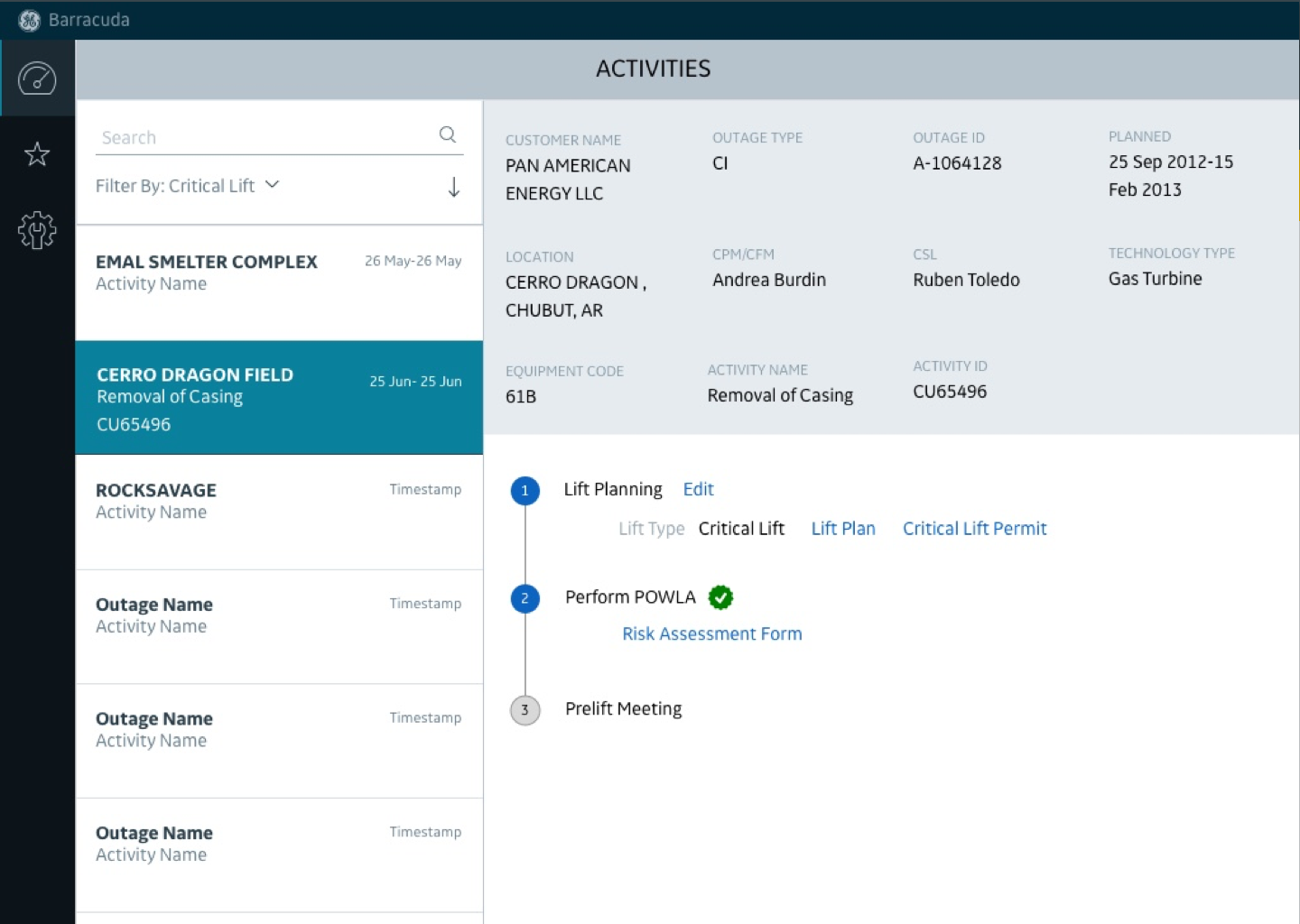
2nd Iteration
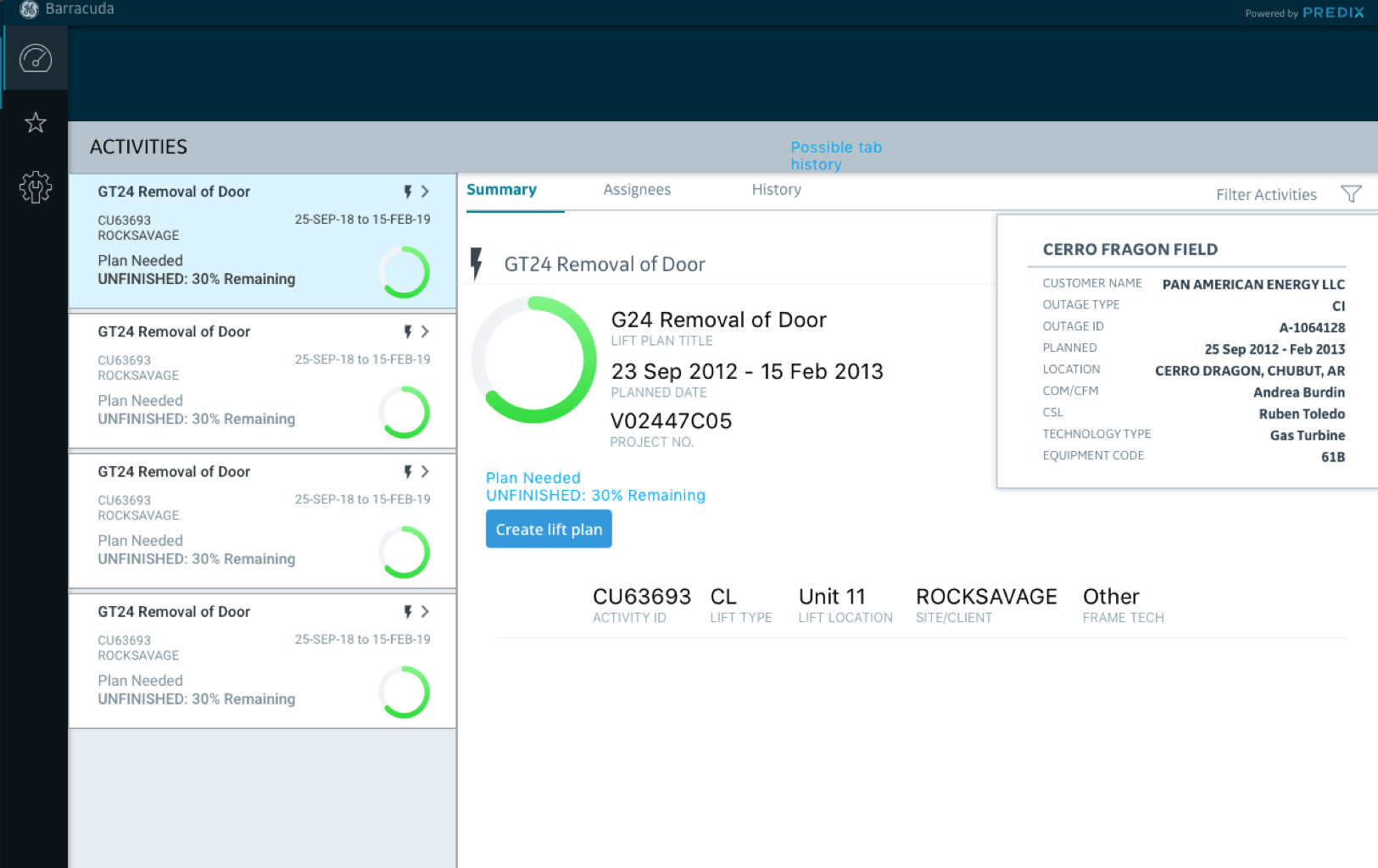
Previous version - Mobile
Beta

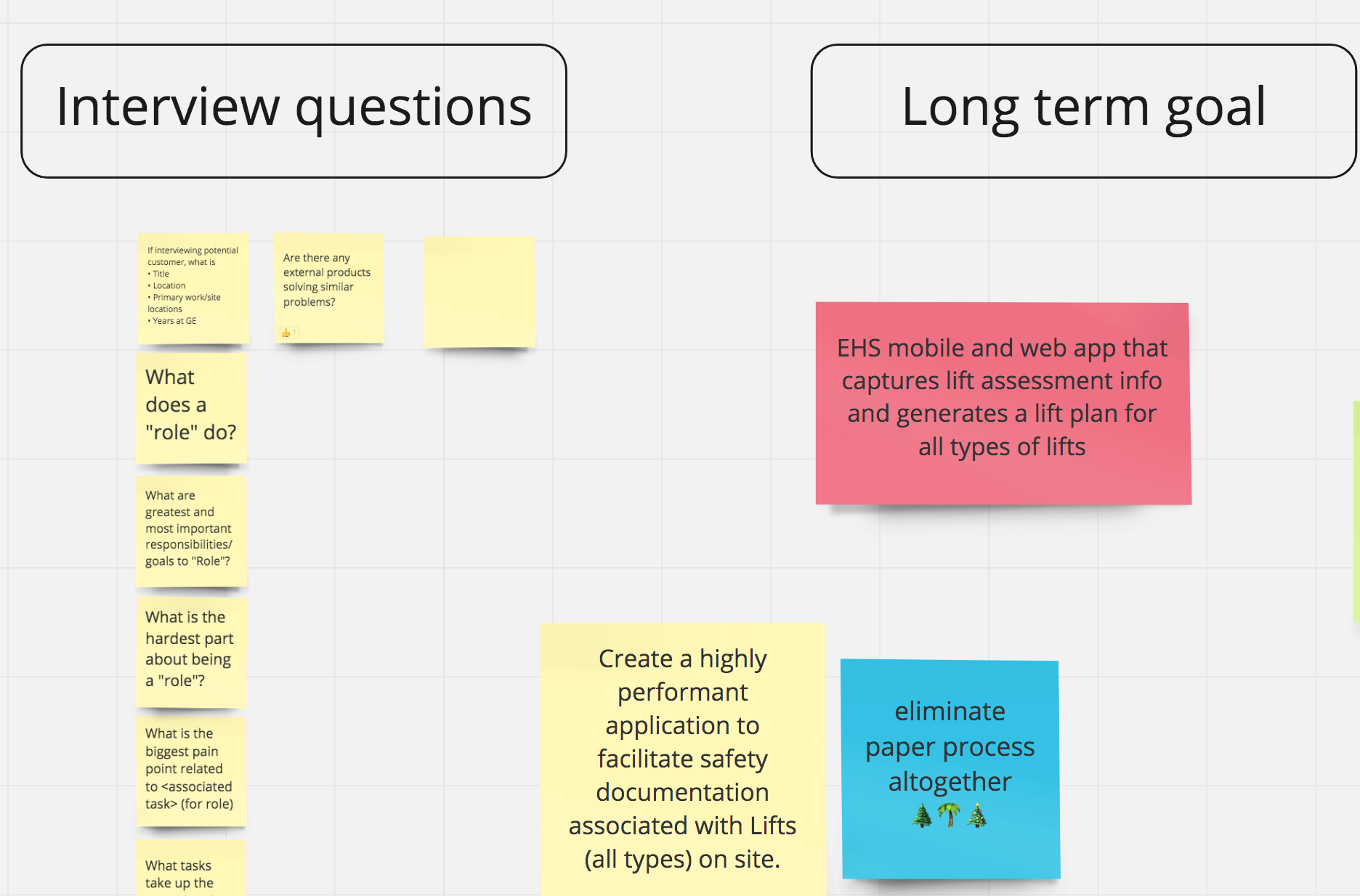
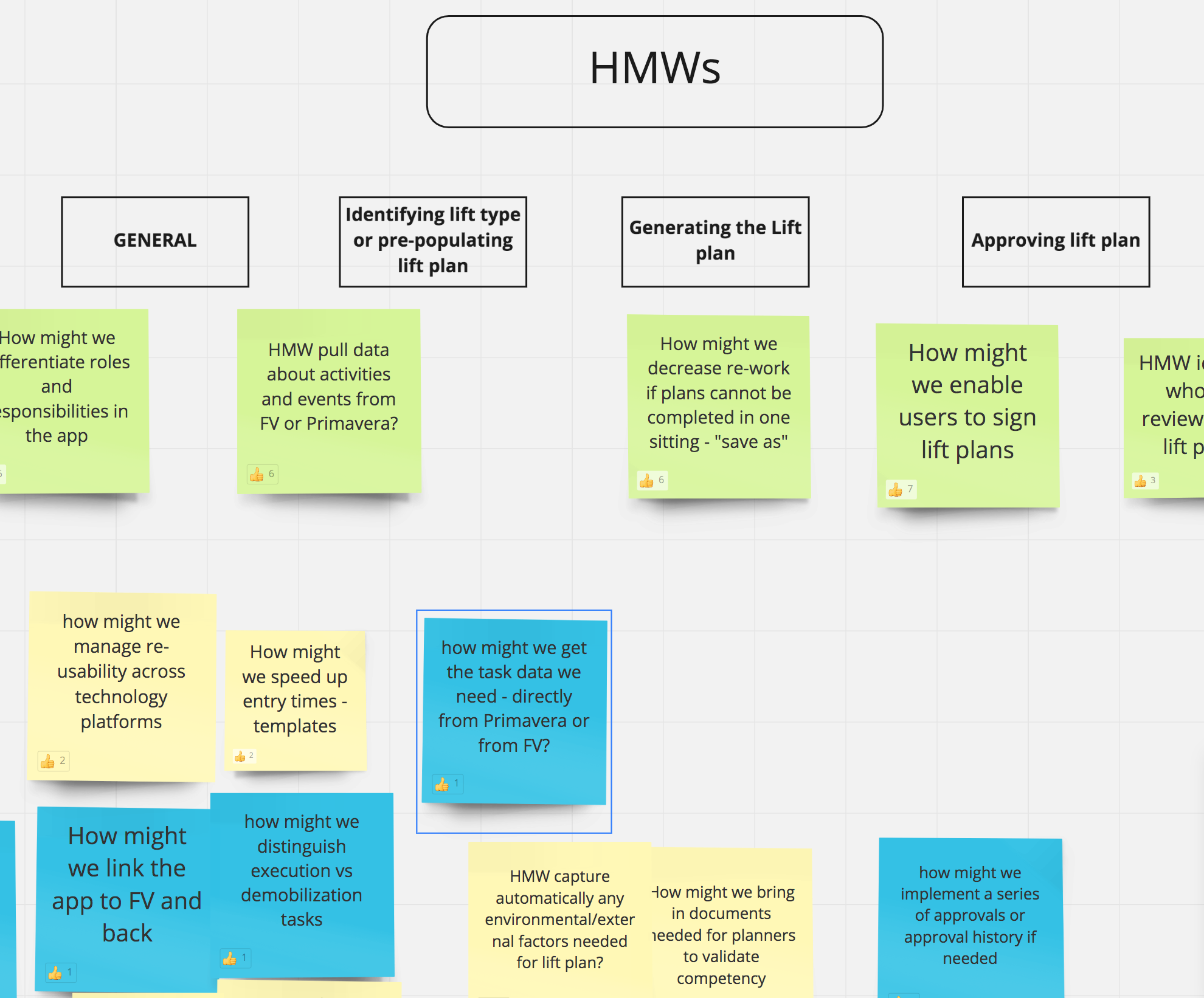
Team collaboration on the Miro Board

Personas |
|
|
|
 |
Bringing the prototype to a GE Power and Gas Plant onsite location
- The goal was to observe users navigating the lift process and executing a lift.
- Carry out usability testing using the prototype.
- Host a workshop with users.
- Gather feedback for iteration.
Suggestions for improvement and solutions
lorem
Workshops
Throughout this process, workshops with SMEs and Field Engineers were held regularly to reduce unnecessary data while improving essential data and overall processes.
Visual Design
The Design System
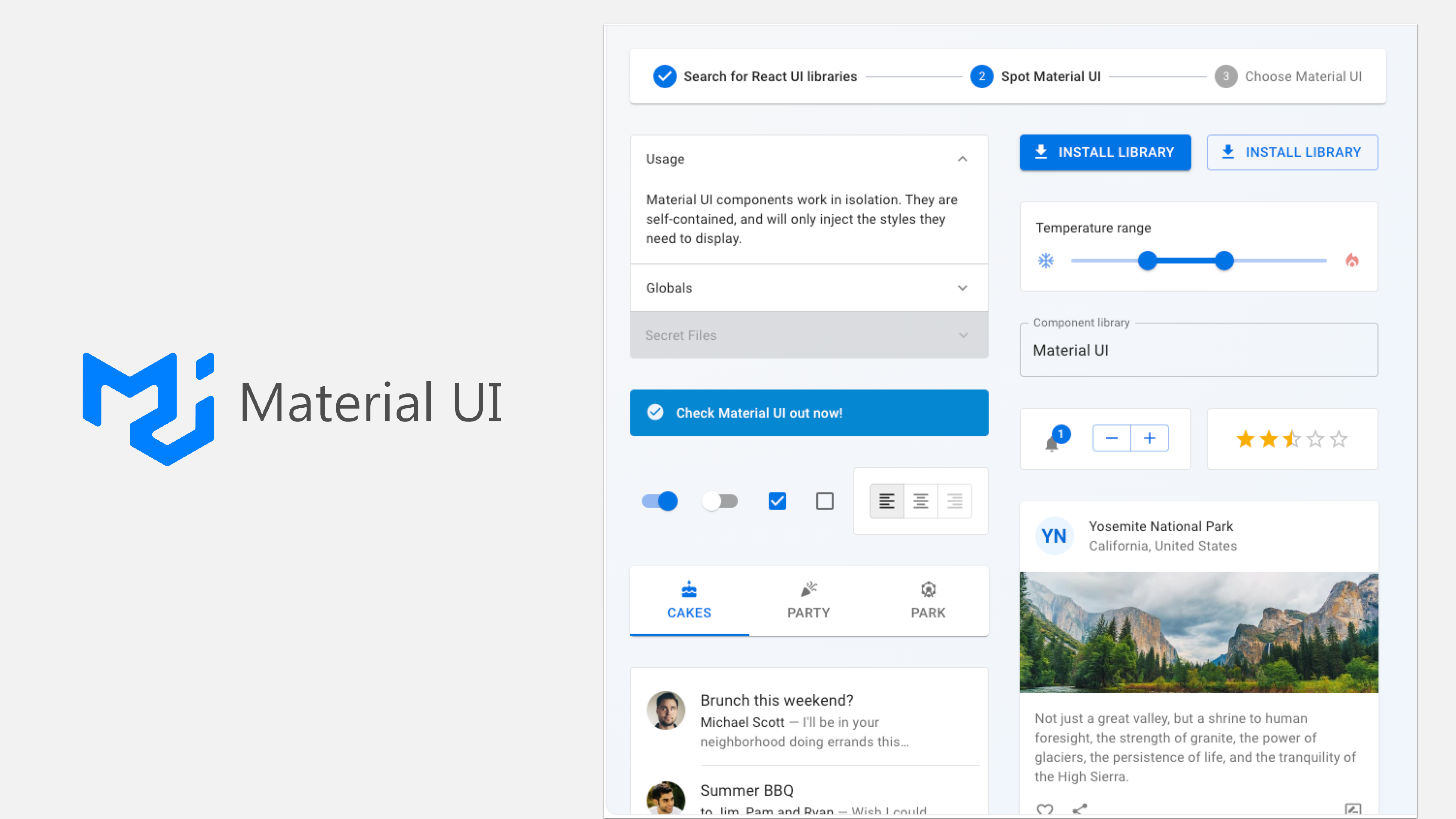
For this project, I utilized the Material-UI design system.
Post-Deployment Life - Achieved Goals:
• Users can generate a lift plan in under 15 minutes.
• The lift plan is consistently accurate.
• Web services contribute additional relevant factors to the plan.
• Users can input essential information into the plan.
• A complete and compliant lift plan can be automated.
Thank you, and this wraps up the case study.
The orange box with an arrow pointing up to the right of screen scrolls to the top of this screen.